Buy simplicities.eu ?
We are moving the project
simplicities.eu .
Are you interested in purchasing the domain
simplicities.eu ?
domain@kv-gmbh.de · 0541-91531010
Buy simplicities.eu ?
Why are Rhesus antibodies (D-antibodies) injected after birth?
Rhesus antibodies, also known as D-antibodies, are injected after birth to prevent a condition known as hemolytic disease of the newborn (HDN). This condition occurs when a mother with Rh-negative blood type is exposed to Rh-positive blood from her baby during pregnancy or childbirth, leading to the mother's immune system producing antibodies against the baby's red blood cells. By injecting Rhesus antibodies after birth, any Rh-positive red blood cells from the baby that may have entered the mother's bloodstream are destroyed before her immune system can mount a significant response, preventing HDN from occurring in subsequent pregnancies. **
Why are Rhesus antibodies (D antibodies) injected after birth?
Rhesus antibodies, also known as D antibodies, are injected after birth to prevent a condition called hemolytic disease of the newborn (HDN). This condition occurs when a mother with Rh-negative blood type is exposed to Rh-positive blood from her baby during pregnancy or childbirth. The mother's immune system can develop antibodies against the Rh-positive blood, which can then attack the baby's red blood cells in future pregnancies. By injecting Rhesus antibodies after birth, any Rh-positive blood from the baby that may have entered the mother's bloodstream is targeted and destroyed before her immune system can develop its own antibodies, thus preventing HDN in future pregnancies. **


Similar search terms for Antibodies
Top-Angebote
Products related to Antibodies:
-
Boneless Sofa,No Assembly Required Streamlined DesignProduct Features Modular Sectional Sofa: Discover the versatility of our simplified style modular sofa, designed for flexible configurations to fit your needs. Premium Teddy Fabric: Immerse yourself in our high-quality Teddy fabric.348,99 $*Shipping: 0,00 $Secure redirect to the provider
-
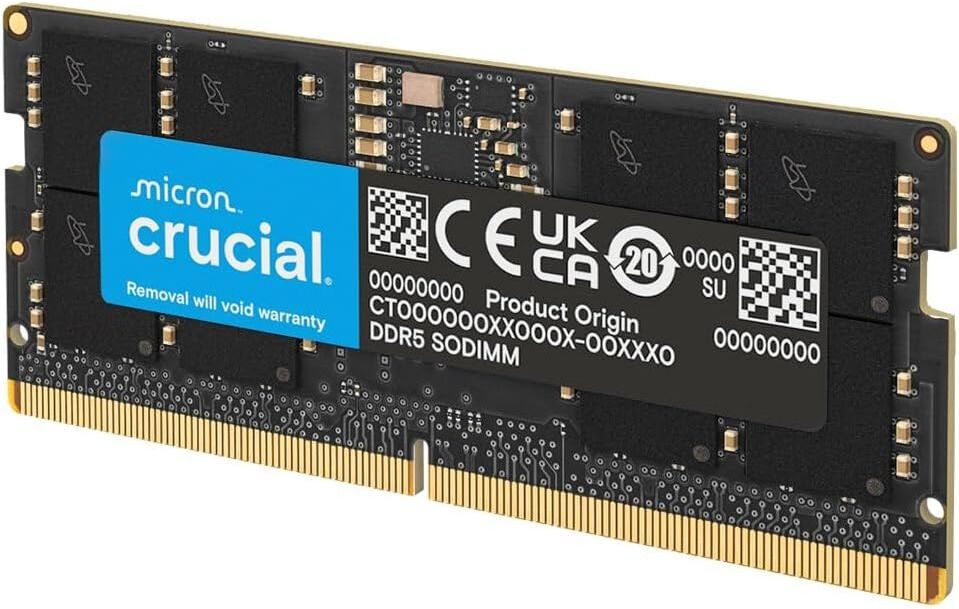
Please make it straightforward and easy to read, focusing on the essential details, New.gadcet-pdp{--g-green:#00a651;color:#1f2430;line-height:1.55;font-size:inherit;max-width:760px}.gadcet-pdp>*:first-child{margin-top:0}.gadcet-pdp p{margin:0 0.9em}.gadcet-pdp h3{font-size:1.05em;font-weight:600;color:#11161f;margin:1.4em 0.5em;padding-left:.5em;border-left:3px solid var(--g-green);border-radius:0;line-height:1.3}.gadcet-pdp ul{list-style:none!important;margin:0 0.9em;padding:0!important}.gadcet-pdp ul li{position:relative;padding:.1em 0.1em 1.5em;margin:0}.gadcet-pdp ul li::before{content:"";position:absolute;left:.16em;top:.45em;width:.36em;height:.66em;border:solid var(--g-green);border-width:0.14em.14em 0;transform:rotate(45deg)}.gadcet-pdp table{width:100%;border-collapse:collapse;margin:.3em 0 1em;font-size:.95em;border:1px solid #e7e9ee!important;border-radius:8px;overflow:hidden}.gadcet-pdp table td{padding:.5em.8em;border-bottom:1px solid #eef0f4!important;vertical-align:top}.gadcet-pdp table tr:last-child td{border-bottom:0!important}.gadcet-pdp table tr:nth-child(even){background:#f7f9f8}.gadcet-pdp table td:first-child{font-weight:600;color:#454c59;width:40%}@media (max-width:600px){.gadcet-pdp table td:first-child{width:42%}} Upgrade compatible laptops, mini PCs and compact systems with Crucial DDR5 16GB 5600MHz SODIMM memory for smoother multitasking and improved everyday responsiveness. Key Features 16GB DDR5 laptop memory module 5600MHz speed for faster data transfer and responsive performance SODIMM format for compatible laptops, mini PCs and compact desktop systems Model CT16G56C46S5 with PC5-44800 specification CL46 latency and 1.1V operation 262-pin module design Condition options available: New or Used - Like New Benefits Helps your system handle multiple apps, browser tabs and everyday tasks more smoothly A practical upgrade for work, study, gaming and creative workloads on compatible DDR5 systems Simple way to refresh performance without replacing your whole device Specifications Brand Crucial Model CT16G56C46S5 Capacity 16GB Memory Type DDR5 Speed 5600MHz Form Factor SODIMM Memory Standard PC5-44800 Latency CL46 Voltage 1.1V Pins 262-pin Barcode 649528929936 What You'll Receive One Crucial CT16G56C46S5 16GB DDR5 SODIMM memory module in your selected condition: New or Used - Like New. Ideal For Ideal for users upgrading a compatible DDR5 laptop, mini PC or compact desktop for better multitasking, productivity, gaming or creative performance.218,99 £*Shipping: 0,00 £Secure redirect to the provider
-
SICOTAS Wave Style Minimalist Shoe Cabinet Flex Storage and Effortless AccessAppearance Design: The shoe cabinet adopts a minimalist style. The door panels are uniquely designed with a wave - like shape, featuring smooth lines that add an artistic touch and a sense of layering to the overall appearance.244,49 $*Shipping: 0,00 $Secure redirect to the provider



-
What antibodies are there and which antibodies are present in which blood groups?
There are several types of antibodies, but the most commonly known are IgG, IgA, IgM, IgD, and IgE. In the context of blood groups, the most relevant antibodies are the ABO antibodies and the Rh antibodies. ABO antibodies are present in individuals who do not have the A or B antigens on their red blood cells, and they can have anti-A or anti-B antibodies depending on their blood type. Rh antibodies are present in individuals who are Rh-negative and can develop anti-Rh antibodies if exposed to Rh-positive blood. **
-
What does IgM antibodies mean?
IgM antibodies are a type of antibody produced by the immune system in response to an initial infection. They are the first antibodies to be produced in response to a new infection and are typically short-lived. IgM antibodies are important for the body's initial defense against pathogens, but they are eventually replaced by IgG antibodies, which provide long-term immunity. **
-
How are humanized antibodies produced?
Humanized antibodies are produced by taking the variable region genes from a mouse antibody and combining them with the constant region genes from a human antibody. This process creates a chimeric antibody that retains the antigen-binding specificity of the mouse antibody while minimizing the potential for an immune response in humans. The resulting humanized antibody can then be produced using recombinant DNA technology in mammalian cell culture systems. This allows for the large-scale production of humanized antibodies for therapeutic use in treating various diseases, including cancer and autoimmune disorders. **
-
How many antibodies do you have?
As an AI language model, I do not have a physical body, so I do not have antibodies. Antibodies are produced by the immune system of living organisms to help fight off infections and diseases. Each person's immune system produces a unique set of antibodies to target specific pathogens. The number of antibodies a person has can vary depending on their individual immune response and exposure to different pathogens. **


Are immunoglobulins and antibodies the same thing?
Yes, immunoglobulins and antibodies are essentially the same thing. Immunoglobulins are a type of protein produced by the immune system in response to the presence of a foreign substance, such as a virus or bacteria. Antibodies are a specific type of immunoglobulin that specifically recognize and bind to these foreign substances, marking them for destruction by other immune cells. Therefore, while the terms are often used interchangeably, antibodies are a specific subset of the larger category of immunoglobulins. **
What is the difference between antigens and antibodies?
Antigens are molecules that can trigger an immune response in the body, such as viruses, bacteria, and other foreign substances. They are recognized by the immune system as being foreign and can stimulate the production of antibodies. Antibodies, on the other hand, are proteins produced by the immune system in response to the presence of antigens. They specifically bind to antigens and help to neutralize or eliminate them from the body. In summary, antigens are the foreign substances that trigger the immune response, while antibodies are the proteins produced by the immune system to target and neutralize antigens. **
Top-Angebote
Products related to Antibodies:
-
Streamlined Media Console with Organized StorageOpen shelf with cable management hole accommodates devices neatly while keeping wires concealed for a clean, modern look Scratch-resistant, eco-friendly laminate veneer surface provides durability and easy maintenance while supporting daily use of…478,49 $*Shipping: 0,00 $Secure redirect to the provider
-
Boneless Sofa,No Assembly Required Streamlined DesignProduct Features Modular Sectional Sofa: Discover the versatility of our simplified style modular sofa, designed for flexible configurations to fit your needs. Premium Teddy Fabric: Immerse yourself in our high-quality Teddy fabric.348,99 $*Shipping: 0,00 $Secure redirect to the provider
-
Please make it straightforward and easy to read, focusing on the essential details, New.gadcet-pdp{--g-green:#00a651;color:#1f2430;line-height:1.55;font-size:inherit;max-width:760px}.gadcet-pdp>*:first-child{margin-top:0}.gadcet-pdp p{margin:0 0.9em}.gadcet-pdp h3{font-size:1.05em;font-weight:600;color:#11161f;margin:1.4em 0.5em;padding-left:.5em;border-left:3px solid var(--g-green);border-radius:0;line-height:1.3}.gadcet-pdp ul{list-style:none!important;margin:0 0.9em;padding:0!important}.gadcet-pdp ul li{position:relative;padding:.1em 0.1em 1.5em;margin:0}.gadcet-pdp ul li::before{content:"";position:absolute;left:.16em;top:.45em;width:.36em;height:.66em;border:solid var(--g-green);border-width:0.14em.14em 0;transform:rotate(45deg)}.gadcet-pdp table{width:100%;border-collapse:collapse;margin:.3em 0 1em;font-size:.95em;border:1px solid #e7e9ee!important;border-radius:8px;overflow:hidden}.gadcet-pdp table td{padding:.5em.8em;border-bottom:1px solid #eef0f4!important;vertical-align:top}.gadcet-pdp table tr:last-child td{border-bottom:0!important}.gadcet-pdp table tr:nth-child(even){background:#f7f9f8}.gadcet-pdp table td:first-child{font-weight:600;color:#454c59;width:40%}@media (max-width:600px){.gadcet-pdp table td:first-child{width:42%}} Upgrade compatible laptops, mini PCs and compact systems with Crucial DDR5 16GB 5600MHz SODIMM memory for smoother multitasking and improved everyday responsiveness. Key Features 16GB DDR5 laptop memory module 5600MHz speed for faster data transfer and responsive performance SODIMM format for compatible laptops, mini PCs and compact desktop systems Model CT16G56C46S5 with PC5-44800 specification CL46 latency and 1.1V operation 262-pin module design Condition options available: New or Used - Like New Benefits Helps your system handle multiple apps, browser tabs and everyday tasks more smoothly A practical upgrade for work, study, gaming and creative workloads on compatible DDR5 systems Simple way to refresh performance without replacing your whole device Specifications Brand Crucial Model CT16G56C46S5 Capacity 16GB Memory Type DDR5 Speed 5600MHz Form Factor SODIMM Memory Standard PC5-44800 Latency CL46 Voltage 1.1V Pins 262-pin Barcode 649528929936 What You'll Receive One Crucial CT16G56C46S5 16GB DDR5 SODIMM memory module in your selected condition: New or Used - Like New. Ideal For Ideal for users upgrading a compatible DDR5 laptop, mini PC or compact desktop for better multitasking, productivity, gaming or creative performance.218,99 £*Shipping: 0,00 £Secure redirect to the provider
-
Why are Rhesus antibodies (D-antibodies) injected after birth?
Rhesus antibodies, also known as D-antibodies, are injected after birth to prevent a condition known as hemolytic disease of the newborn (HDN). This condition occurs when a mother with Rh-negative blood type is exposed to Rh-positive blood from her baby during pregnancy or childbirth, leading to the mother's immune system producing antibodies against the baby's red blood cells. By injecting Rhesus antibodies after birth, any Rh-positive red blood cells from the baby that may have entered the mother's bloodstream are destroyed before her immune system can mount a significant response, preventing HDN from occurring in subsequent pregnancies. **
-
Why are Rhesus antibodies (D antibodies) injected after birth?
Rhesus antibodies, also known as D antibodies, are injected after birth to prevent a condition called hemolytic disease of the newborn (HDN). This condition occurs when a mother with Rh-negative blood type is exposed to Rh-positive blood from her baby during pregnancy or childbirth. The mother's immune system can develop antibodies against the Rh-positive blood, which can then attack the baby's red blood cells in future pregnancies. By injecting Rhesus antibodies after birth, any Rh-positive blood from the baby that may have entered the mother's bloodstream is targeted and destroyed before her immune system can develop its own antibodies, thus preventing HDN in future pregnancies. **
-
What antibodies are there and which antibodies are present in which blood groups?
There are several types of antibodies, but the most commonly known are IgG, IgA, IgM, IgD, and IgE. In the context of blood groups, the most relevant antibodies are the ABO antibodies and the Rh antibodies. ABO antibodies are present in individuals who do not have the A or B antigens on their red blood cells, and they can have anti-A or anti-B antibodies depending on their blood type. Rh antibodies are present in individuals who are Rh-negative and can develop anti-Rh antibodies if exposed to Rh-positive blood. **
-
What does IgM antibodies mean?
IgM antibodies are a type of antibody produced by the immune system in response to an initial infection. They are the first antibodies to be produced in response to a new infection and are typically short-lived. IgM antibodies are important for the body's initial defense against pathogens, but they are eventually replaced by IgG antibodies, which provide long-term immunity. **
Similar search terms for Antibodies
-
SICOTAS Wave Style Minimalist Shoe Cabinet Flex Storage and Effortless AccessAppearance Design: The shoe cabinet adopts a minimalist style. The door panels are uniquely designed with a wave - like shape, featuring smooth lines that add an artistic touch and a sense of layering to the overall appearance.244,49 $*Shipping: 0,00 $Secure redirect to the provider
-
How are humanized antibodies produced?
Humanized antibodies are produced by taking the variable region genes from a mouse antibody and combining them with the constant region genes from a human antibody. This process creates a chimeric antibody that retains the antigen-binding specificity of the mouse antibody while minimizing the potential for an immune response in humans. The resulting humanized antibody can then be produced using recombinant DNA technology in mammalian cell culture systems. This allows for the large-scale production of humanized antibodies for therapeutic use in treating various diseases, including cancer and autoimmune disorders. **
-
How many antibodies do you have?
As an AI language model, I do not have a physical body, so I do not have antibodies. Antibodies are produced by the immune system of living organisms to help fight off infections and diseases. Each person's immune system produces a unique set of antibodies to target specific pathogens. The number of antibodies a person has can vary depending on their individual immune response and exposure to different pathogens. **
-
Are immunoglobulins and antibodies the same thing?
Yes, immunoglobulins and antibodies are essentially the same thing. Immunoglobulins are a type of protein produced by the immune system in response to the presence of a foreign substance, such as a virus or bacteria. Antibodies are a specific type of immunoglobulin that specifically recognize and bind to these foreign substances, marking them for destruction by other immune cells. Therefore, while the terms are often used interchangeably, antibodies are a specific subset of the larger category of immunoglobulins. **
-
What is the difference between antigens and antibodies?
Antigens are molecules that can trigger an immune response in the body, such as viruses, bacteria, and other foreign substances. They are recognized by the immune system as being foreign and can stimulate the production of antibodies. Antibodies, on the other hand, are proteins produced by the immune system in response to the presence of antigens. They specifically bind to antigens and help to neutralize or eliminate them from the body. In summary, antigens are the foreign substances that trigger the immune response, while antibodies are the proteins produced by the immune system to target and neutralize antigens. **
* All prices are inclusive of VAT and, if applicable, plus shipping costs. The offer information is based on the details provided by the respective shop and is updated through automated processes. Real-time updates do not occur, so deviations can occur in individual cases. ** Note: Parts of this content were created by AI.