Buy simplicities.eu ?
We are moving the project
simplicities.eu .
Are you interested in purchasing the domain
simplicities.eu ?
domain@kv-gmbh.de · 0541-91531010
Buy simplicities.eu ?
What are microscopes?
Microscopes are scientific instruments used to magnify and observe tiny objects that are not visible to the naked eye. They work by using lenses to focus light on the specimen, allowing for detailed examination of its structure and composition. Microscopes are commonly used in fields such as biology, medicine, chemistry, and materials science to study cells, microorganisms, crystals, and other small objects. There are different types of microscopes, including optical microscopes, electron microscopes, and scanning probe microscopes, each with its own specific capabilities and applications. **
What are the advantages and disadvantages of electron microscopes and light microscopes?
Electron microscopes have the advantage of higher resolution, allowing for the visualization of smaller structures such as individual molecules. They also have a greater magnification power compared to light microscopes. However, electron microscopes are more expensive, require specialized training to operate, and samples need to be placed in a vacuum, which can alter their natural state. On the other hand, light microscopes are more affordable, easier to use, and samples can be observed in their natural state without the need for special preparation. However, they have lower resolution and magnification capabilities compared to electron microscopes, limiting the ability to visualize very small structures. **


Similar search terms for Microscopes
Top-Angebote
Products related to Microscopes:
-
Boneless Sofa,No Assembly Required Streamlined DesignProduct Features Modular Sectional Sofa: Discover the versatility of our simplified style modular sofa, designed for flexible configurations to fit your needs. Premium Teddy Fabric: Immerse yourself in our high-quality Teddy fabric.348,99 $*Shipping: 0,00 $Secure redirect to the provider
-
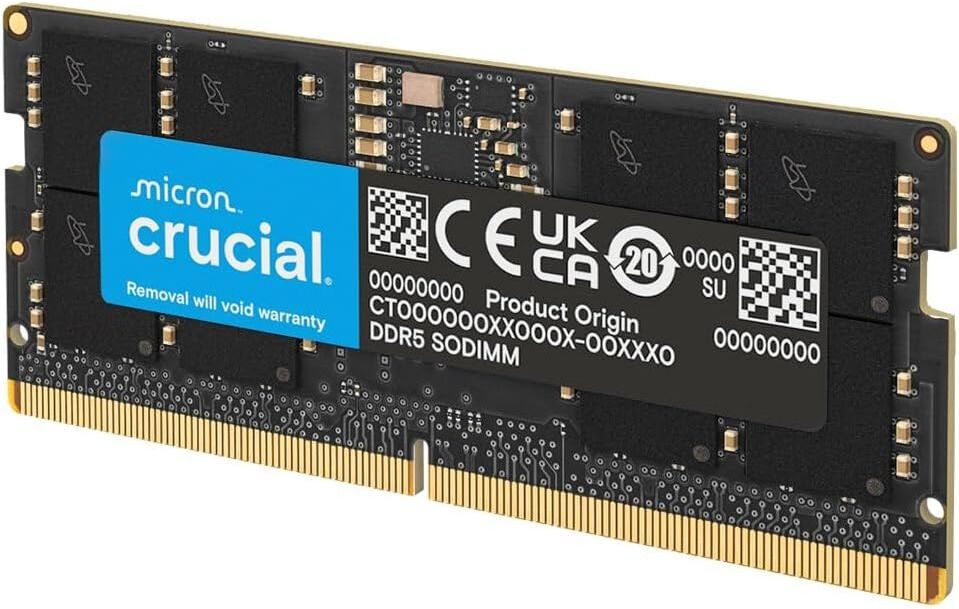
Please make it straightforward and easy to read, focusing on the essential details, New.gadcet-pdp{--g-green:#00a651;color:#1f2430;line-height:1.55;font-size:inherit;max-width:760px}.gadcet-pdp>*:first-child{margin-top:0}.gadcet-pdp p{margin:0 0.9em}.gadcet-pdp h3{font-size:1.05em;font-weight:600;color:#11161f;margin:1.4em 0.5em;padding-left:.5em;border-left:3px solid var(--g-green);border-radius:0;line-height:1.3}.gadcet-pdp ul{list-style:none!important;margin:0 0.9em;padding:0!important}.gadcet-pdp ul li{position:relative;padding:.1em 0.1em 1.5em;margin:0}.gadcet-pdp ul li::before{content:"";position:absolute;left:.16em;top:.45em;width:.36em;height:.66em;border:solid var(--g-green);border-width:0.14em.14em 0;transform:rotate(45deg)}.gadcet-pdp table{width:100%;border-collapse:collapse;margin:.3em 0 1em;font-size:.95em;border:1px solid #e7e9ee!important;border-radius:8px;overflow:hidden}.gadcet-pdp table td{padding:.5em.8em;border-bottom:1px solid #eef0f4!important;vertical-align:top}.gadcet-pdp table tr:last-child td{border-bottom:0!important}.gadcet-pdp table tr:nth-child(even){background:#f7f9f8}.gadcet-pdp table td:first-child{font-weight:600;color:#454c59;width:40%}@media (max-width:600px){.gadcet-pdp table td:first-child{width:42%}} Upgrade compatible laptops, mini PCs and compact systems with Crucial DDR5 16GB 5600MHz SODIMM memory for smoother multitasking and improved everyday responsiveness. Key Features 16GB DDR5 laptop memory module 5600MHz speed for faster data transfer and responsive performance SODIMM format for compatible laptops, mini PCs and compact desktop systems Model CT16G56C46S5 with PC5-44800 specification CL46 latency and 1.1V operation 262-pin module design Condition options available: New or Used - Like New Benefits Helps your system handle multiple apps, browser tabs and everyday tasks more smoothly A practical upgrade for work, study, gaming and creative workloads on compatible DDR5 systems Simple way to refresh performance without replacing your whole device Specifications Brand Crucial Model CT16G56C46S5 Capacity 16GB Memory Type DDR5 Speed 5600MHz Form Factor SODIMM Memory Standard PC5-44800 Latency CL46 Voltage 1.1V Pins 262-pin Barcode 649528929936 What You'll Receive One Crucial CT16G56C46S5 16GB DDR5 SODIMM memory module in your selected condition: New or Used - Like New. Ideal For Ideal for users upgrading a compatible DDR5 laptop, mini PC or compact desktop for better multitasking, productivity, gaming or creative performance.218,99 £*Shipping: 0,00 £Secure redirect to the provider
-
SICOTAS Wave Style Minimalist Shoe Cabinet Flex Storage and Effortless AccessAppearance Design: The shoe cabinet adopts a minimalist style. The door panels are uniquely designed with a wave - like shape, featuring smooth lines that add an artistic touch and a sense of layering to the overall appearance.244,49 $*Shipping: 0,00 $Secure redirect to the provider



-
Why do biologists use light microscopes, even though electron microscopes offer much higher magnification?
Biologists use light microscopes because they are more versatile and can be used to observe living organisms in their natural state. Light microscopes also allow for the observation of a wider range of samples, including transparent or unstained specimens. Additionally, light microscopes are more affordable and easier to use compared to electron microscopes, making them more accessible to a wider range of researchers. **
-
How many microscopes for bacteria are there?
There are several types of microscopes that can be used to observe bacteria, including light microscopes, electron microscopes, and fluorescence microscopes. Each type of microscope has its own advantages and limitations for studying bacteria. For example, light microscopes are commonly used for observing live bacteria, while electron microscopes provide higher resolution images but require specialized sample preparation. Overall, there are multiple options for studying bacteria using microscopy, each with its own unique capabilities. **
-
What is the field of application for microscopes?
Microscopes are used in a wide range of fields including biology, medicine, chemistry, geology, and material science. In biology and medicine, microscopes are used to study cells, tissues, and microorganisms. In chemistry, they are used to analyze the structure of molecules and materials. In geology, microscopes are used to study minerals and rocks, while in material science, they are used to examine the structure and properties of various materials. Overall, microscopes are essential tools for studying and understanding the microscopic world. **
-
Do microscopes and telescopes have the same principle?
Microscopes and telescopes operate on similar principles of using lenses to magnify objects, but they are designed for different purposes. Microscopes are used to magnify small objects such as cells and microorganisms, while telescopes are used to observe distant objects in space. Both instruments rely on the manipulation of light to produce magnified images, but their specific designs and functions are tailored to their intended use. **


In which professions do people work exclusively with microscopes?
People who work exclusively with microscopes can be found in professions such as microbiology, histology, pathology, and certain fields of chemistry and materials science. Microbiologists study microorganisms, histologists examine the microscopic structure of tissues, pathologists analyze tissue samples for diseases, and scientists in chemistry and materials science use microscopes to study the properties and structures of materials at the microscopic level. These professionals rely on microscopes to conduct their research and analysis, making them an essential tool in their work. **
What are the advantages and disadvantages of different types of microscopes?
The advantages of light microscopes include their affordability, ease of use, and ability to observe living organisms. However, they have limited magnification and resolution compared to electron microscopes. Electron microscopes, on the other hand, offer much higher magnification and resolution, allowing for the observation of smaller structures. However, they are expensive, require specialized training, and can only be used to observe non-living specimens. Scanning probe microscopes have the advantage of being able to observe surfaces at the atomic level, but they are also expensive and require a high level of expertise to operate. **
Top-Angebote
Products related to Microscopes:
-
Streamlined Media Console with Organized StorageOpen shelf with cable management hole accommodates devices neatly while keeping wires concealed for a clean, modern look Scratch-resistant, eco-friendly laminate veneer surface provides durability and easy maintenance while supporting daily use of…478,49 $*Shipping: 0,00 $Secure redirect to the provider
-
Boneless Sofa,No Assembly Required Streamlined DesignProduct Features Modular Sectional Sofa: Discover the versatility of our simplified style modular sofa, designed for flexible configurations to fit your needs. Premium Teddy Fabric: Immerse yourself in our high-quality Teddy fabric.348,99 $*Shipping: 0,00 $Secure redirect to the provider
-
Please make it straightforward and easy to read, focusing on the essential details, New.gadcet-pdp{--g-green:#00a651;color:#1f2430;line-height:1.55;font-size:inherit;max-width:760px}.gadcet-pdp>*:first-child{margin-top:0}.gadcet-pdp p{margin:0 0.9em}.gadcet-pdp h3{font-size:1.05em;font-weight:600;color:#11161f;margin:1.4em 0.5em;padding-left:.5em;border-left:3px solid var(--g-green);border-radius:0;line-height:1.3}.gadcet-pdp ul{list-style:none!important;margin:0 0.9em;padding:0!important}.gadcet-pdp ul li{position:relative;padding:.1em 0.1em 1.5em;margin:0}.gadcet-pdp ul li::before{content:"";position:absolute;left:.16em;top:.45em;width:.36em;height:.66em;border:solid var(--g-green);border-width:0.14em.14em 0;transform:rotate(45deg)}.gadcet-pdp table{width:100%;border-collapse:collapse;margin:.3em 0 1em;font-size:.95em;border:1px solid #e7e9ee!important;border-radius:8px;overflow:hidden}.gadcet-pdp table td{padding:.5em.8em;border-bottom:1px solid #eef0f4!important;vertical-align:top}.gadcet-pdp table tr:last-child td{border-bottom:0!important}.gadcet-pdp table tr:nth-child(even){background:#f7f9f8}.gadcet-pdp table td:first-child{font-weight:600;color:#454c59;width:40%}@media (max-width:600px){.gadcet-pdp table td:first-child{width:42%}} Upgrade compatible laptops, mini PCs and compact systems with Crucial DDR5 16GB 5600MHz SODIMM memory for smoother multitasking and improved everyday responsiveness. Key Features 16GB DDR5 laptop memory module 5600MHz speed for faster data transfer and responsive performance SODIMM format for compatible laptops, mini PCs and compact desktop systems Model CT16G56C46S5 with PC5-44800 specification CL46 latency and 1.1V operation 262-pin module design Condition options available: New or Used - Like New Benefits Helps your system handle multiple apps, browser tabs and everyday tasks more smoothly A practical upgrade for work, study, gaming and creative workloads on compatible DDR5 systems Simple way to refresh performance without replacing your whole device Specifications Brand Crucial Model CT16G56C46S5 Capacity 16GB Memory Type DDR5 Speed 5600MHz Form Factor SODIMM Memory Standard PC5-44800 Latency CL46 Voltage 1.1V Pins 262-pin Barcode 649528929936 What You'll Receive One Crucial CT16G56C46S5 16GB DDR5 SODIMM memory module in your selected condition: New or Used - Like New. Ideal For Ideal for users upgrading a compatible DDR5 laptop, mini PC or compact desktop for better multitasking, productivity, gaming or creative performance.218,99 £*Shipping: 0,00 £Secure redirect to the provider
-
What are microscopes?
Microscopes are scientific instruments used to magnify and observe tiny objects that are not visible to the naked eye. They work by using lenses to focus light on the specimen, allowing for detailed examination of its structure and composition. Microscopes are commonly used in fields such as biology, medicine, chemistry, and materials science to study cells, microorganisms, crystals, and other small objects. There are different types of microscopes, including optical microscopes, electron microscopes, and scanning probe microscopes, each with its own specific capabilities and applications. **
-
What are the advantages and disadvantages of electron microscopes and light microscopes?
Electron microscopes have the advantage of higher resolution, allowing for the visualization of smaller structures such as individual molecules. They also have a greater magnification power compared to light microscopes. However, electron microscopes are more expensive, require specialized training to operate, and samples need to be placed in a vacuum, which can alter their natural state. On the other hand, light microscopes are more affordable, easier to use, and samples can be observed in their natural state without the need for special preparation. However, they have lower resolution and magnification capabilities compared to electron microscopes, limiting the ability to visualize very small structures. **
-
Why do biologists use light microscopes, even though electron microscopes offer much higher magnification?
Biologists use light microscopes because they are more versatile and can be used to observe living organisms in their natural state. Light microscopes also allow for the observation of a wider range of samples, including transparent or unstained specimens. Additionally, light microscopes are more affordable and easier to use compared to electron microscopes, making them more accessible to a wider range of researchers. **
-
How many microscopes for bacteria are there?
There are several types of microscopes that can be used to observe bacteria, including light microscopes, electron microscopes, and fluorescence microscopes. Each type of microscope has its own advantages and limitations for studying bacteria. For example, light microscopes are commonly used for observing live bacteria, while electron microscopes provide higher resolution images but require specialized sample preparation. Overall, there are multiple options for studying bacteria using microscopy, each with its own unique capabilities. **
Similar search terms for Microscopes
-
SICOTAS Wave Style Minimalist Shoe Cabinet Flex Storage and Effortless AccessAppearance Design: The shoe cabinet adopts a minimalist style. The door panels are uniquely designed with a wave - like shape, featuring smooth lines that add an artistic touch and a sense of layering to the overall appearance.244,49 $*Shipping: 0,00 $Secure redirect to the provider
-
What is the field of application for microscopes?
Microscopes are used in a wide range of fields including biology, medicine, chemistry, geology, and material science. In biology and medicine, microscopes are used to study cells, tissues, and microorganisms. In chemistry, they are used to analyze the structure of molecules and materials. In geology, microscopes are used to study minerals and rocks, while in material science, they are used to examine the structure and properties of various materials. Overall, microscopes are essential tools for studying and understanding the microscopic world. **
-
Do microscopes and telescopes have the same principle?
Microscopes and telescopes operate on similar principles of using lenses to magnify objects, but they are designed for different purposes. Microscopes are used to magnify small objects such as cells and microorganisms, while telescopes are used to observe distant objects in space. Both instruments rely on the manipulation of light to produce magnified images, but their specific designs and functions are tailored to their intended use. **
-
In which professions do people work exclusively with microscopes?
People who work exclusively with microscopes can be found in professions such as microbiology, histology, pathology, and certain fields of chemistry and materials science. Microbiologists study microorganisms, histologists examine the microscopic structure of tissues, pathologists analyze tissue samples for diseases, and scientists in chemistry and materials science use microscopes to study the properties and structures of materials at the microscopic level. These professionals rely on microscopes to conduct their research and analysis, making them an essential tool in their work. **
-
What are the advantages and disadvantages of different types of microscopes?
The advantages of light microscopes include their affordability, ease of use, and ability to observe living organisms. However, they have limited magnification and resolution compared to electron microscopes. Electron microscopes, on the other hand, offer much higher magnification and resolution, allowing for the observation of smaller structures. However, they are expensive, require specialized training, and can only be used to observe non-living specimens. Scanning probe microscopes have the advantage of being able to observe surfaces at the atomic level, but they are also expensive and require a high level of expertise to operate. **
* All prices are inclusive of VAT and, if applicable, plus shipping costs. The offer information is based on the details provided by the respective shop and is updated through automated processes. Real-time updates do not occur, so deviations can occur in individual cases. ** Note: Parts of this content were created by AI.