Buy simplicities.eu ?
We are moving the project
simplicities.eu .
Are you interested in purchasing the domain
simplicities.eu ?
domain@kv-gmbh.de · 0541-91531010
Buy simplicities.eu ?
What is special about Taq polymerase?
Taq polymerase is special because it is derived from the thermophilic bacterium Thermus aquaticus, which thrives in high-temperature environments. This makes Taq polymerase highly heat-stable, allowing it to withstand the high temperatures used in the polymerase chain reaction (PCR) process. Additionally, Taq polymerase has a unique ability to add nucleotides to DNA strands at high temperatures, making it an essential enzyme for amplifying DNA in PCR. Its heat stability and unique enzymatic properties have made Taq polymerase a crucial tool in molecular biology and genetic research. **
When does the polymerase stop during PCR?
The polymerase stops during PCR at the end of each cycle when the temperature is lowered for the annealing step. This allows the primers to bind to the template DNA and the polymerase to begin synthesizing new DNA strands. After the annealing step, the polymerase resumes its activity during the extension step, where it adds nucleotides to the growing DNA strands. This cycle of denaturation, annealing, and extension is repeated multiple times to amplify the target DNA sequence. **


Similar search terms for Polymerase
Top-Angebote
Products related to Polymerase:
-
Boneless Sofa,No Assembly Required Streamlined DesignProduct Features Modular Sectional Sofa: Discover the versatility of our simplified style modular sofa, designed for flexible configurations to fit your needs. Premium Teddy Fabric: Immerse yourself in our high-quality Teddy fabric.348,99 $*Shipping: 0,00 $Secure redirect to the provider
-
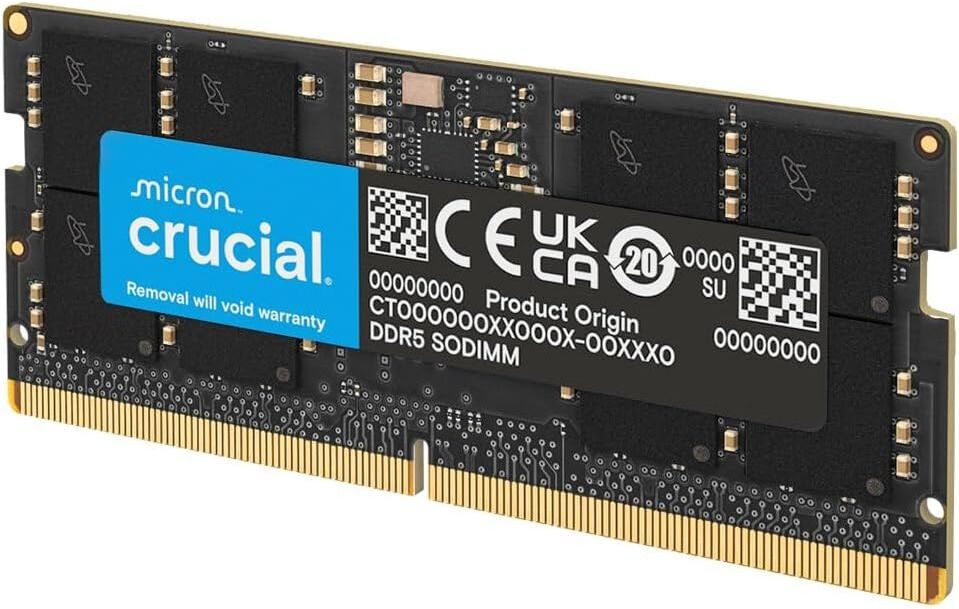
Please make it straightforward and easy to read, focusing on the essential details, New.gadcet-pdp{--g-green:#00a651;color:#1f2430;line-height:1.55;font-size:inherit;max-width:760px}.gadcet-pdp>*:first-child{margin-top:0}.gadcet-pdp p{margin:0 0.9em}.gadcet-pdp h3{font-size:1.05em;font-weight:600;color:#11161f;margin:1.4em 0.5em;padding-left:.5em;border-left:3px solid var(--g-green);border-radius:0;line-height:1.3}.gadcet-pdp ul{list-style:none!important;margin:0 0.9em;padding:0!important}.gadcet-pdp ul li{position:relative;padding:.1em 0.1em 1.5em;margin:0}.gadcet-pdp ul li::before{content:"";position:absolute;left:.16em;top:.45em;width:.36em;height:.66em;border:solid var(--g-green);border-width:0.14em.14em 0;transform:rotate(45deg)}.gadcet-pdp table{width:100%;border-collapse:collapse;margin:.3em 0 1em;font-size:.95em;border:1px solid #e7e9ee!important;border-radius:8px;overflow:hidden}.gadcet-pdp table td{padding:.5em.8em;border-bottom:1px solid #eef0f4!important;vertical-align:top}.gadcet-pdp table tr:last-child td{border-bottom:0!important}.gadcet-pdp table tr:nth-child(even){background:#f7f9f8}.gadcet-pdp table td:first-child{font-weight:600;color:#454c59;width:40%}@media (max-width:600px){.gadcet-pdp table td:first-child{width:42%}} Upgrade compatible laptops, mini PCs and compact systems with Crucial DDR5 16GB 5600MHz SODIMM memory for smoother multitasking and improved everyday responsiveness. Key Features 16GB DDR5 laptop memory module 5600MHz speed for faster data transfer and responsive performance SODIMM format for compatible laptops, mini PCs and compact desktop systems Model CT16G56C46S5 with PC5-44800 specification CL46 latency and 1.1V operation 262-pin module design Condition options available: New or Used - Like New Benefits Helps your system handle multiple apps, browser tabs and everyday tasks more smoothly A practical upgrade for work, study, gaming and creative workloads on compatible DDR5 systems Simple way to refresh performance without replacing your whole device Specifications Brand Crucial Model CT16G56C46S5 Capacity 16GB Memory Type DDR5 Speed 5600MHz Form Factor SODIMM Memory Standard PC5-44800 Latency CL46 Voltage 1.1V Pins 262-pin Barcode 649528929936 What You'll Receive One Crucial CT16G56C46S5 16GB DDR5 SODIMM memory module in your selected condition: New or Used - Like New. Ideal For Ideal for users upgrading a compatible DDR5 laptop, mini PC or compact desktop for better multitasking, productivity, gaming or creative performance.218,99 £*Shipping: 0,00 £Secure redirect to the provider
-
SICOTAS Wave Style Minimalist Shoe Cabinet Flex Storage and Effortless AccessAppearance Design: The shoe cabinet adopts a minimalist style. The door panels are uniquely designed with a wave - like shape, featuring smooth lines that add an artistic touch and a sense of layering to the overall appearance.244,49 $*Shipping: 0,00 $Secure redirect to the provider



-
What is the function of polymerase in biology?
Polymerase is an enzyme that plays a crucial role in DNA replication and transcription. It is responsible for catalyzing the formation of new DNA strands by adding complementary nucleotides to a template DNA strand during replication. In transcription, polymerase helps in the synthesis of RNA molecules by transcribing the genetic information from DNA. Overall, polymerase is essential for the accurate and efficient copying of genetic information in cells. **
-
What is the difference between ligase and polymerase?
Ligase and polymerase are both enzymes involved in DNA replication and repair, but they have different functions. Polymerase is responsible for adding new nucleotides to the growing DNA strand during replication, while ligase is responsible for joining together the Okazaki fragments on the lagging strand of DNA. In other words, polymerase synthesizes new DNA strands, while ligase seals the nicks and gaps in the DNA backbone. Additionally, polymerase requires a primer to start DNA synthesis, while ligase does not. **
-
What is the difference between helicase and RNA polymerase?
Helicase is an enzyme that unwinds the double-stranded DNA helix during DNA replication, while RNA polymerase is an enzyme that synthesizes RNA from a DNA template during transcription. Helicase functions to separate the two DNA strands, allowing other enzymes like DNA polymerase to access the DNA for replication. On the other hand, RNA polymerase reads the DNA template and synthesizes a complementary RNA strand. Overall, helicase is involved in DNA replication, while RNA polymerase is involved in transcription. **
-
What is the Polymerase Chain Reaction (PCR) in brief?
The Polymerase Chain Reaction (PCR) is a laboratory technique used to amplify a specific segment of DNA. It involves a series of temperature-controlled cycles that cause the DNA to be repeatedly copied, resulting in a significant increase in the amount of DNA available for analysis. PCR is widely used in various fields such as genetics, forensics, and medical diagnostics, as it allows for the rapid and efficient replication of DNA sequences. This technique has revolutionized the study and application of DNA, enabling researchers to analyze and manipulate genetic material with high precision and speed. **


Why can't the polymerase chain reaction be used to replicate dinosaur DNA?
The polymerase chain reaction (PCR) cannot be used to replicate dinosaur DNA because the DNA from dinosaurs is too old and degraded. Over millions of years, the DNA breaks down and becomes fragmented, making it impossible to accurately replicate using PCR. Additionally, the PCR process requires specific sequences of DNA to work effectively, and the degraded nature of dinosaur DNA makes it difficult to find intact sequences to amplify. Therefore, other methods, such as paleogenomics, are being explored to study and potentially replicate dinosaur DNA. **
Why is the polymerase chain reaction finally carried out at 72°C for several minutes?
The polymerase chain reaction (PCR) is carried out at 72°C for several minutes because this is the optimal temperature for the DNA polymerase enzyme to function. At this temperature, the DNA polymerase is able to efficiently and accurately replicate the DNA template by adding nucleotides to the growing DNA strand. Additionally, the high temperature helps to denature the double-stranded DNA, allowing the primers to bind to the single-stranded DNA template and initiate the replication process. Overall, the 72°C temperature is crucial for the successful amplification of the target DNA sequence during PCR. **
Top-Angebote
Products related to Polymerase:
-
Streamlined Media Console with Organized StorageOpen shelf with cable management hole accommodates devices neatly while keeping wires concealed for a clean, modern look Scratch-resistant, eco-friendly laminate veneer surface provides durability and easy maintenance while supporting daily use of…478,49 $*Shipping: 0,00 $Secure redirect to the provider
-
Boneless Sofa,No Assembly Required Streamlined DesignProduct Features Modular Sectional Sofa: Discover the versatility of our simplified style modular sofa, designed for flexible configurations to fit your needs. Premium Teddy Fabric: Immerse yourself in our high-quality Teddy fabric.348,99 $*Shipping: 0,00 $Secure redirect to the provider
-
Please make it straightforward and easy to read, focusing on the essential details, New.gadcet-pdp{--g-green:#00a651;color:#1f2430;line-height:1.55;font-size:inherit;max-width:760px}.gadcet-pdp>*:first-child{margin-top:0}.gadcet-pdp p{margin:0 0.9em}.gadcet-pdp h3{font-size:1.05em;font-weight:600;color:#11161f;margin:1.4em 0.5em;padding-left:.5em;border-left:3px solid var(--g-green);border-radius:0;line-height:1.3}.gadcet-pdp ul{list-style:none!important;margin:0 0.9em;padding:0!important}.gadcet-pdp ul li{position:relative;padding:.1em 0.1em 1.5em;margin:0}.gadcet-pdp ul li::before{content:"";position:absolute;left:.16em;top:.45em;width:.36em;height:.66em;border:solid var(--g-green);border-width:0.14em.14em 0;transform:rotate(45deg)}.gadcet-pdp table{width:100%;border-collapse:collapse;margin:.3em 0 1em;font-size:.95em;border:1px solid #e7e9ee!important;border-radius:8px;overflow:hidden}.gadcet-pdp table td{padding:.5em.8em;border-bottom:1px solid #eef0f4!important;vertical-align:top}.gadcet-pdp table tr:last-child td{border-bottom:0!important}.gadcet-pdp table tr:nth-child(even){background:#f7f9f8}.gadcet-pdp table td:first-child{font-weight:600;color:#454c59;width:40%}@media (max-width:600px){.gadcet-pdp table td:first-child{width:42%}} Upgrade compatible laptops, mini PCs and compact systems with Crucial DDR5 16GB 5600MHz SODIMM memory for smoother multitasking and improved everyday responsiveness. Key Features 16GB DDR5 laptop memory module 5600MHz speed for faster data transfer and responsive performance SODIMM format for compatible laptops, mini PCs and compact desktop systems Model CT16G56C46S5 with PC5-44800 specification CL46 latency and 1.1V operation 262-pin module design Condition options available: New or Used - Like New Benefits Helps your system handle multiple apps, browser tabs and everyday tasks more smoothly A practical upgrade for work, study, gaming and creative workloads on compatible DDR5 systems Simple way to refresh performance without replacing your whole device Specifications Brand Crucial Model CT16G56C46S5 Capacity 16GB Memory Type DDR5 Speed 5600MHz Form Factor SODIMM Memory Standard PC5-44800 Latency CL46 Voltage 1.1V Pins 262-pin Barcode 649528929936 What You'll Receive One Crucial CT16G56C46S5 16GB DDR5 SODIMM memory module in your selected condition: New or Used - Like New. Ideal For Ideal for users upgrading a compatible DDR5 laptop, mini PC or compact desktop for better multitasking, productivity, gaming or creative performance.218,99 £*Shipping: 0,00 £Secure redirect to the provider
-
What is special about Taq polymerase?
Taq polymerase is special because it is derived from the thermophilic bacterium Thermus aquaticus, which thrives in high-temperature environments. This makes Taq polymerase highly heat-stable, allowing it to withstand the high temperatures used in the polymerase chain reaction (PCR) process. Additionally, Taq polymerase has a unique ability to add nucleotides to DNA strands at high temperatures, making it an essential enzyme for amplifying DNA in PCR. Its heat stability and unique enzymatic properties have made Taq polymerase a crucial tool in molecular biology and genetic research. **
-
When does the polymerase stop during PCR?
The polymerase stops during PCR at the end of each cycle when the temperature is lowered for the annealing step. This allows the primers to bind to the template DNA and the polymerase to begin synthesizing new DNA strands. After the annealing step, the polymerase resumes its activity during the extension step, where it adds nucleotides to the growing DNA strands. This cycle of denaturation, annealing, and extension is repeated multiple times to amplify the target DNA sequence. **
-
What is the function of polymerase in biology?
Polymerase is an enzyme that plays a crucial role in DNA replication and transcription. It is responsible for catalyzing the formation of new DNA strands by adding complementary nucleotides to a template DNA strand during replication. In transcription, polymerase helps in the synthesis of RNA molecules by transcribing the genetic information from DNA. Overall, polymerase is essential for the accurate and efficient copying of genetic information in cells. **
-
What is the difference between ligase and polymerase?
Ligase and polymerase are both enzymes involved in DNA replication and repair, but they have different functions. Polymerase is responsible for adding new nucleotides to the growing DNA strand during replication, while ligase is responsible for joining together the Okazaki fragments on the lagging strand of DNA. In other words, polymerase synthesizes new DNA strands, while ligase seals the nicks and gaps in the DNA backbone. Additionally, polymerase requires a primer to start DNA synthesis, while ligase does not. **
Similar search terms for Polymerase
-
SICOTAS Wave Style Minimalist Shoe Cabinet Flex Storage and Effortless AccessAppearance Design: The shoe cabinet adopts a minimalist style. The door panels are uniquely designed with a wave - like shape, featuring smooth lines that add an artistic touch and a sense of layering to the overall appearance.244,49 $*Shipping: 0,00 $Secure redirect to the provider
-
What is the difference between helicase and RNA polymerase?
Helicase is an enzyme that unwinds the double-stranded DNA helix during DNA replication, while RNA polymerase is an enzyme that synthesizes RNA from a DNA template during transcription. Helicase functions to separate the two DNA strands, allowing other enzymes like DNA polymerase to access the DNA for replication. On the other hand, RNA polymerase reads the DNA template and synthesizes a complementary RNA strand. Overall, helicase is involved in DNA replication, while RNA polymerase is involved in transcription. **
-
What is the Polymerase Chain Reaction (PCR) in brief?
The Polymerase Chain Reaction (PCR) is a laboratory technique used to amplify a specific segment of DNA. It involves a series of temperature-controlled cycles that cause the DNA to be repeatedly copied, resulting in a significant increase in the amount of DNA available for analysis. PCR is widely used in various fields such as genetics, forensics, and medical diagnostics, as it allows for the rapid and efficient replication of DNA sequences. This technique has revolutionized the study and application of DNA, enabling researchers to analyze and manipulate genetic material with high precision and speed. **
-
Why can't the polymerase chain reaction be used to replicate dinosaur DNA?
The polymerase chain reaction (PCR) cannot be used to replicate dinosaur DNA because the DNA from dinosaurs is too old and degraded. Over millions of years, the DNA breaks down and becomes fragmented, making it impossible to accurately replicate using PCR. Additionally, the PCR process requires specific sequences of DNA to work effectively, and the degraded nature of dinosaur DNA makes it difficult to find intact sequences to amplify. Therefore, other methods, such as paleogenomics, are being explored to study and potentially replicate dinosaur DNA. **
-
Why is the polymerase chain reaction finally carried out at 72°C for several minutes?
The polymerase chain reaction (PCR) is carried out at 72°C for several minutes because this is the optimal temperature for the DNA polymerase enzyme to function. At this temperature, the DNA polymerase is able to efficiently and accurately replicate the DNA template by adding nucleotides to the growing DNA strand. Additionally, the high temperature helps to denature the double-stranded DNA, allowing the primers to bind to the single-stranded DNA template and initiate the replication process. Overall, the 72°C temperature is crucial for the successful amplification of the target DNA sequence during PCR. **
* All prices are inclusive of VAT and, if applicable, plus shipping costs. The offer information is based on the details provided by the respective shop and is updated through automated processes. Real-time updates do not occur, so deviations can occur in individual cases. ** Note: Parts of this content were created by AI.